






Tēnā koutou, tēnā koutou, tēnā koutou katoa.
Kia kaha te reo Māori! Ake, ake, ake!
Language is the most important container of culture holding stories, values and traditions. It is also the living expression of it shaping identity and belonging.
Te ao Māori matters. The unique lens Māori have of the world benefit all.
My people are from South Africa. All my tūpuna, except for my English grandmother (who I loved and adored by the way) on my dad’s side were Afrikaners. Our ancestry trace back to the Netherlands, Belgium, France and Indonesia. Afrikaans is our home language.
Today my home is Aotearoa. This land and its people are my turangawaewae – my place of belonging. Being here was made possible by Te Tiriti o Waitangi – ko tangata tiriti ahau.
Learning about the history of Aotearoa, I have noticed similarities between the story of my people in relation to British Colonisation and the story of Māori in relation to British Colonisation including:
•The British initiating war motivated by financial gain
•People courageously fighting to protect their land and their whānau
•Brutal war tactics on the side of the British including putting women and children in concentration camps and scorching farmland and homes
•Inevitable surrender due to the unmatchable military resources of the British and broken hearts
•After the war being regarded by the British as second-class citizens resulting in institutionalised discrimination and wide-spread poverty
•Suppression of our language in an attempt to wipe out our culture and force everyone to become ‘English’
Like Māori, the Afrikaner people fought back, eventually gaining national recognition of the Afrikaans language in 1925.
What happened next was heartbreaking. The oppressed became the oppressor. Having won the battle to free their language and the right to live their cultural values, people voted for a mostly Afrikaner government that went on to suppress the language, culture and human rights of others. This cast a long shadow for the next generation to grapple with. But something beautiful is rising from the ashes – a celebration of all those who speak Afrikaans agnostic of skin colour or dialect.
South Africa now has 11 official languages honouring all the peoples of the rainbow nation.
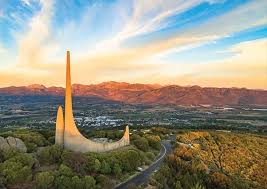
The picture above is of the Afrikaans Language Monument. It was originally erected to celebrate the 50th anniversary of the recognition of Afrikaans as a national language. It now stands as a monument to 15 – 23 million people who speak Afrikaans as a first, second or third language. Not bad for a language the British tried to stamp out.
My dream is for te reo Māori to be understood and spoken by everyone living in Aotearoa. My dream is for us all to one day visit a te reo Māori monument to celebrate the beautiful cultural heritage that te reo Māori represents.
